
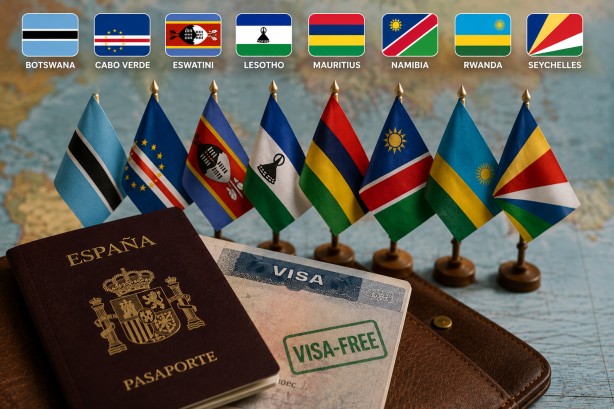
In a significant policy shift, Spain is set to allow visa-free entry for travelers with ordinary passports from eight African nations starting in 2026. This initiative will enable eligible visitors to stay in Spain for up to 90 days within any 180-day period, aiming to enhance tourism, business, and cultural connections between the European and African continents.
The countries benefiting from this new visa exemption include Botswana, Cabo Verde, Eswatini, Lesotho, Mauritius, Namibia, Rwanda, and Seychelles. This development is seen as a step to foster increased travel for leisure and business purposes, as well as to facilitate visits to family and friends. However, while the visa requirement will be lifted for short-term visits, travelers will still need to comply with standard entry procedures. These include having a valid passport and, if necessary, showing proof of accommodation, financial means, and return or onward travel plans.
It is important to note that the exemption is strictly for tourism, business activities, or family visits, and does not cover employment, long-term studies, or permanent relocation. Individuals planning to work or study in Spain will still need to secure the relevant visas or residence permits to do so legally.
Notably absent from this list is South Africa, which means that South African citizens will continue to require a Schengen visa for short-term stays in Spain and other countries within the Schengen Area. This remains consistent with the existing travel regulations that South African passport holders face when visiting many European nations.