
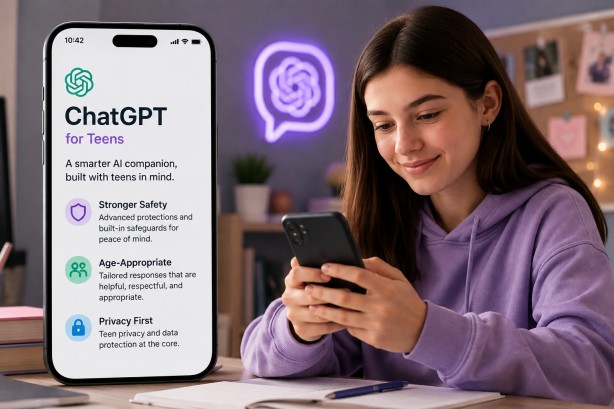
OpenAI has unveiled a new version of its ChatGPT platform specifically tailored for teenagers between the ages of 13 and 17. This iteration comes with enhanced safety protocols and age-appropriate measures to ensure a secure online environment. The teen-focused ChatGPT restricts content related to sensitive topics such as self-harm, suicide, and sexual or romantic discussions, aiming to offer a safer space for young users exploring AI for educational purposes, everyday inquiries, and companionship.
In an effort to promote healthier interactions with AI, OpenAI has introduced features that allow parents to set quiet hours, blocking access to ChatGPT during these times. Additionally, the system provides safety notifications to parents in high-risk situations. The platform incorporates extra safeguards concerning delicate issues like eating disorders, curbing access to potentially hazardous information and directing users to offline support services when necessary.
To prevent the development of unhealthy emotional bonds between users and the chatbot, the teen version is designed to ensure that the AI does not convey personal feelings, consciousness, or emotions towards the user. OpenAI employs age-assurance technology to ascertain whether a user is under 18, based on their interaction patterns with the service. Those identified as minors are automatically transitioned to the teen version, which includes these added protections.
For educational purposes, ChatGPT for Teens has been structured to encourage students to engage in problem-solving and comprehension rather than merely providing direct answers or completing assignments. This approach seeks to make AI a valuable study aid, enhancing learning rather than replacing it.