
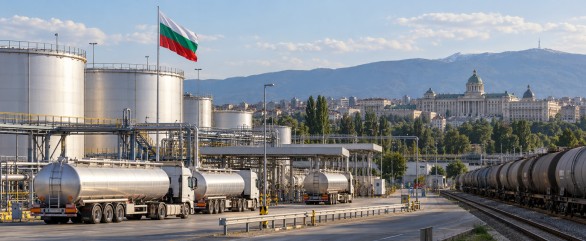
The lifting of Bulgaria’s export restriction on petroleum products may relieve administrative burdens for fuel companies, but it also raises concerns about potential impacts on domestic fuel prices and supply. The National Assembly’s decision to repeal the temporary measure, initially imposed in October 2025, could affect consumers already facing rising fuel costs.
Deputy Economy Minister Mihaela Karadimova justified the repeal by stating that the risks prompting the restriction have been mitigated and that the measure was causing unnecessary complications for the industry. She emphasized that Bulgaria currently has sufficient fuel supplies and that the restriction conflicted with the European Union’s principle of free movement of goods.
The decision comes amid a backdrop of significant fuel price increases within Bulgaria. EU data revealed that the country experienced a 34.5% annual surge in fuel prices as of August 2026, marking it as the highest among EU member states for that period. As of late September, the average price of A95 petrol stood at approximately €1.69 per litre, with diesel prices averaging €1.95 per litre.
Opposition lawmakers have expressed concern that the end of the restriction might exacerbate pressure on domestic fuel availability and costs, urging measures to ensure sufficient supplies for Bulgarian consumers. These apprehensions highlight the tension between facilitating trade and safeguarding local markets.
The parliamentary vote on September 23, 2026, which led to the repeal, reflects an ongoing balancing act between adhering to EU trade principles and addressing national economic challenges. As Bulgaria navigates these complexities, both consumers and businesses will be watching closely to see how the market responds to this regulatory change.