
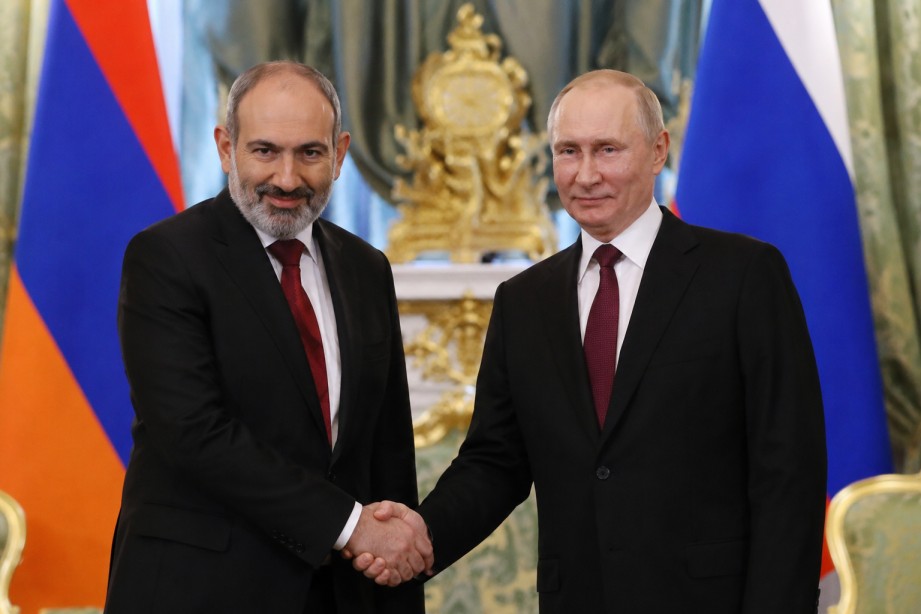
Armenian Prime Minister Nikol Pashinyan recently traveled to Russia, marking his first visit since securing re-election. His journey took him to Yekaterinburg, where he attended the annual Innoprom industrial exhibition and engaged in discussions with Russian Prime Minister Mikhail Mishustin. This visit is particularly significant against the backdrop of strained relations between Armenia and Russia, primarily due to Russia’s restrictions on Armenian product imports citing health and safety concerns. Armenia has voiced its dissatisfaction, claiming that these measures have adversely impacted its economy and trade.
During his visit, Pashinyan emphasized Armenia’s dedication to maintaining its relationship with Russia and affirmed its ongoing participation in the Eurasian Economic Union (EAEU). While acknowledging the existing bilateral issues, he expressed optimism that the discussions with Russian officials would pave the way for resolving some of the key concerns. This diplomatic engagement underscores Armenia’s balancing act as it navigates its foreign policy between Russia and the European Union.
The tensions between Armenia and Russia have been exacerbated by the 2023 conflict in Nagorno-Karabakh. In the aftermath, Armenia has sought to strengthen its ties with the European Union, adding a layer of complexity to its relationship with Moscow. Despite these challenges, Pashinyan’s visit signals a willingness to engage in dialogue and address the contentious issues affecting both nations.
The Armenian leader’s participation in the Innoprom exhibition also highlights the importance of economic collaboration and industrial innovation in the region. By attending this event, Pashinyan aims to foster economic development and explore opportunities for cooperation in various sectors. This approach reflects Armenia’s strategic interest in leveraging its economic ties with Russia while diversifying its international partnerships.
As Armenia continues to navigate its geopolitical landscape, Pashinyan’s visit to Russia represents a critical step in addressing bilateral tensions and exploring potential avenues for cooperation. The outcomes of these discussions could have significant implications for Armenia’s diplomatic and economic future, as it seeks to balance its interests between regional powers. With both nations acknowledging the need for dialogue, there remains hope for a constructive resolution to the issues at hand.