
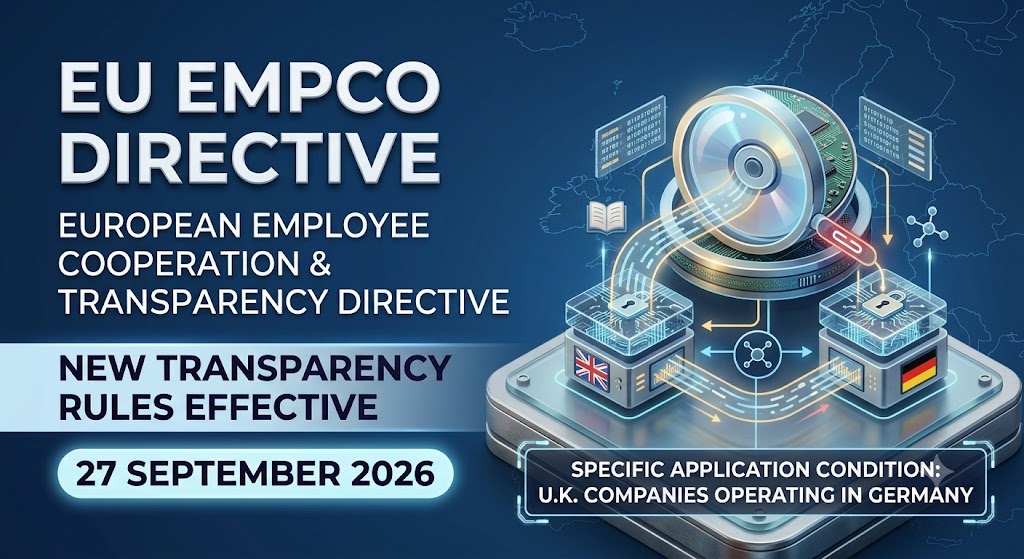
Beginning September 27, 2026, Germany will implement new regulations concerning sustainability labels and certification schemes. These measures, part of the Third Act Amending the Act Against Unfair Competition (UWG), are designed to align with the EU EmpCo Directive (2024/825). The updated rules will impose stricter standards on companies that use environmental, social, or employer-related seals in their marketing and recruitment campaigns, ensuring compliance with revised EU norms.
The reform targets labels that lack a foundation in recognized certification systems or those not established by public authorities, potentially restricting their use. While environmental claims are a primary focus, the regulations could extend to social criteria, including workplace conditions, employee satisfaction, fairness, and diversity, contingent on the nature of the seal involved. A legitimate certification scheme will be required to fulfill several criteria, such as transparent documentation, publicly accessible standards, equal access for participating organizations, and verification by an independent third party.
This initiative is likely to have implications for international enterprises, including those operating outside Germany, if they employ employer or sustainability seals to appeal to German customers, employees, or job applicants. Companies are encouraged to reassess their certification providers, documentation, and verification mechanisms prior to the regulation’s enforcement. This shift in focus—from simply determining if a claim is misleading to evaluating the credibility and independent verification of the certification system—could bolster trust in organizations with transparent certification processes, while unsupported marketing claims might face legal scrutiny.
Industry analysts suggest that businesses prepare for these changes by reviewing certification criteria, maintaining thorough records of their evaluation procedures, and ensuring that all relevant documents are readily available. Legal advice is also recommended for addressing specific compliance issues related to competition law. Companies adhering to these guidelines might find themselves better positioned in terms of consumer trust and legal compliance.
Legal Disclaimer:
The information contained in this article has been provided by independent third-party contributors, clients, or content partners. We do not independently verify the accuracy, completeness, legality, ownership, licensing, or reliability of submitted content, including text, images, videos, trademarks, or other media materials. The submitting party is solely responsible for ensuring that all content, including images and media assets, complies with applicable copyright, trademark, licensing, and intellectual property laws. We disclaim liability for any unauthorized use of copyrighted or proprietary materials by third parties. If you believe that any content published on this platform infringes your intellectual property rights, kindly contact the author above for prompt review and resolution.