
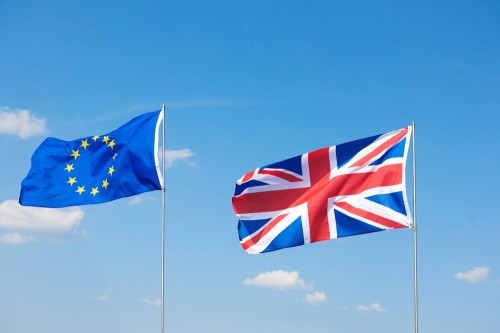
The United Kingdom has been considering the establishment of a single market for goods with the European Union, aiming to enhance trade relations and stimulate economic growth in the post-Brexit era. Recently, senior UK officials engaged in discussions in Brussels to explore this proposal as part of broader efforts to foster economic collaboration with the EU. Despite these efforts, the concept has not garnered substantial support from EU representatives, who have instead proposed alternatives like a customs union or joining the European Economic Area (EEA).
In maintaining its current stance, the UK government remains firm on not re-entering the EU single market or customs union, nor accepting the free movement of people, rendering these alternatives politically sensitive. As both parties navigate these complexities, they are gearing up for a UK-EU summit slated for July. This upcoming meeting is expected to tackle several practical agreements, such as a veterinary and food standards deal that could ease agricultural trade, the integration of carbon emissions trading systems, and a youth mobility program to facilitate study and work exchanges.
The UK is also keen on deepening cooperation in key sectors including defense, steel, electric vehicles, and technology. British officials assert that enhancing trade frameworks could bolster long-term economic growth and fortify industrial collaboration across Europe. Nonetheless, EU officials remain wary of granting the UK special access to the single market, expressing concerns that such arrangements might embolden Eurosceptic sentiments in other European nations.
As negotiations advance in anticipation of the July summit, both sides continue to deliberate on the potential for improved trade and cooperation. The discussions reflect ongoing efforts to find a balanced approach that respects the political and economic priorities of both the UK and the EU, even as challenges persist in aligning their respective objectives.