
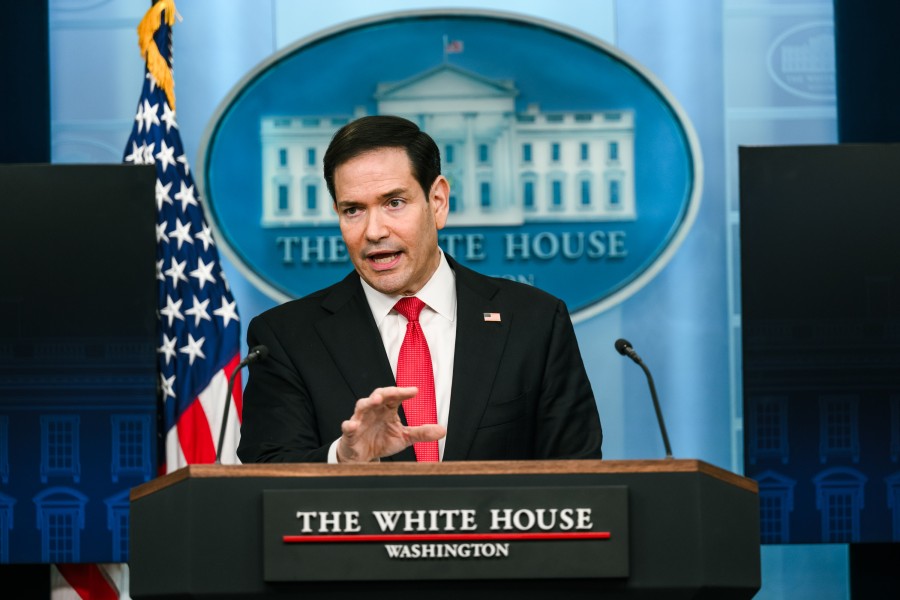
During a visit to the Gulf region, US Secretary of State Marco Rubio pledged that the Strait of Hormuz will remain accessible for free international shipping. Emphasizing that no nation, including Iran, would be permitted to impose any tolls or fees, Rubio sought to reassure the United States’ Gulf allies of their maritime freedoms. This commitment was made clear as Rubio met with officials from nations such as the United Arab Emirates, Kuwait, and Bahrain, with the intention of bolstering confidence among allies following a recently established ceasefire agreement between Washington and Tehran.
Rubio underlined that the United States is dedicated to ensuring the freedom of navigation through the Strait of Hormuz, which is protected by international law. The strategic waterway has become a focal point of concern for Gulf countries, especially amid fears that Iran’s influence may grow with its access to previously frozen funds. The ceasefire agreement currently in place allows for a 60-day period of unrestricted passage through the strait, with further discussions on maritime management expected between Iran and regional partners.
In the ongoing negotiations, Gulf nations are particularly focused on securing assurances that any financial relief granted to Iran will not be diverted to bolster its military capabilities. However, Iran has firmly rejected the inclusion of its ballistic missile program in future talks, insisting that it is a critical component of its national defense strategy.
The conversations occur against a backdrop of heightened regional tensions, with unresolved issues regarding nuclear monitoring, sanctions relief, and broader security arrangements. Rubio reaffirmed the United States’ unwavering commitment to defending its allies and maintaining stability in the Gulf region.