
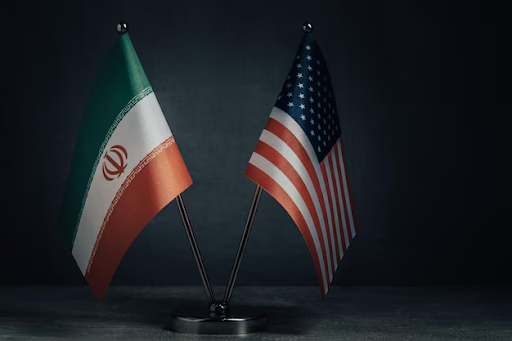
Iran’s foreign ministry declared Tuesday’s indirect nuclear talks in Geneva a meaningful step forward, describing the session as more productive than the opening round held earlier this month. Foreign Minister Araghchi confirmed that both sides had reached agreement on general guiding principles, raising cautious hopes that a broader nuclear deal might eventually be within reach.
The talks, once again brokered through Omani intermediaries, lasted approximately three and a half hours and covered a range of technical and political questions about how Iran’s nuclear programme might be constrained under international oversight. Araghchi said the next phase would involve the exchange of draft texts ahead of a follow-up meeting expected in roughly two weeks.
Iran’s core offer centered on the dilution of its 40-kilogram stockpile of 60% enriched uranium — material that sits dangerously close to weapons-grade purity and serves no legitimate civilian purpose. Tehran also offered expanded cooperation with IAEA inspectors at sites damaged by recent US bombing, though the extent of that damage remains unclear even to current inspectors on the ground.
Washington continued to send mixed signals throughout the day. President Trump praised Iran’s apparent appetite for a deal but simultaneously highlighted the growing US naval presence near Omani waters — a posture that Iran’s Supreme Leader Khamenei publicly challenged, warning that weapons existed capable of sending warships to the bottom of the sea.
Inside Iran, the day was charged with emotion as families and citizens gathered for the 40th-day mourning ceremonies of protesters killed in recent unrest. With more than 10,000 demonstrators summoned for trial and widespread reports of coerced confessions, the domestic political crisis showed no signs of abating despite the diplomatic progress abroad.