
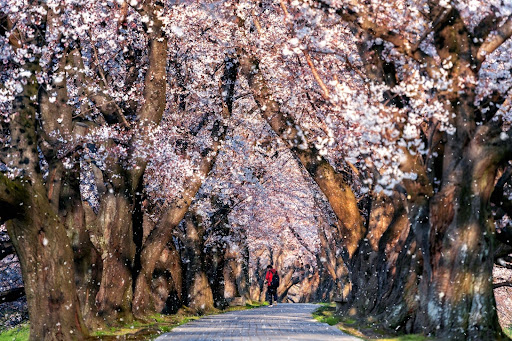
A growing number of Indian travelers are discovering that the cherry blossom experiences they have long associated exclusively with Japan exist in remarkable abundance right across their own country. From the valleys of Himachal Pradesh to the northeastern hills of Meghalaya, India’s diverse geography supports a blossom season that spans multiple months and encompasses an extraordinary range of flowers, landscapes, and cultural traditions. This season, with several destinations currently at peak bloom, is the perfect time to explore these natural wonders.
Dobhi village in Kullu Valley, Himachal Pradesh, is one of the most captivating examples of India’s homegrown blossom culture. The village’s fruit orchards display a breathtaking sequence of pink apricot and peach blossoms followed by pure white plum blossoms, each variety blooming in brief, intense bursts that last only three to four days at their most spectacular. Travel enthusiasts who have visited describe the experience as “magical” — a word they say falls short of conveying the full emotional impact of watching a valley transform from bare winter landscape to a sea of white and pink blossoms almost overnight.
Almora’s Kasar Devi region in Uttarakhand offers a similarly powerful but quieter blossom experience, with wild Himalayan cherry and peach blossoms appearing from late February through March. The setting — flowering trees against the dramatic backdrop of the greater Himalayan range — creates a visual composition of extraordinary power. Adding to the spectacle are brilliant red rhododendron blooms that appear alongside the cherry and plum blossoms, creating a multi-colored floral landscape that photographers find irresistible.
Srinagar in Jammu and Kashmir has long been associated with spring beauty, but its cherry blossom season from late March to early April adds a dimension of visual drama that even seasoned visitors find overwhelming. The historic Mughal gardens around the city become transformed spaces during blossom season, with caretakers noting that the annual bloom connects the living landscape to centuries of cultivated garden heritage. Families gather for evening walks along Dal Lake as the blossoms appear, participating in the enduring local tradition of catching falling petals.
Ladakh’s Apricot Blossom Festival in April and May and Shillong’s Cherry Blossom Festival in November bookend India’s main blossom calendar at its geographical extremes. Ladakh’s Nubra Valley, with its unique microclimate, offers blooms in a setting of extraordinary high-altitude beauty, while Shillong’s autumn festival is a one-of-a-kind cultural and natural event in India. Together, these destinations demonstrate that India’s blossom season is a national treasure that rewards discovery at any time of year.