
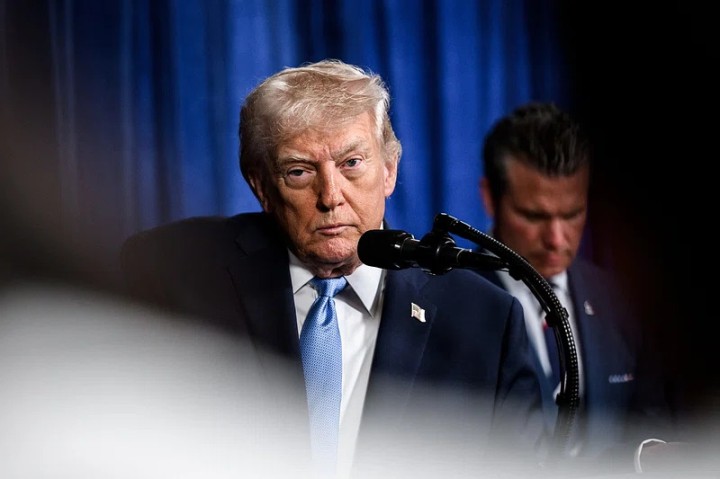
The peace negotiations between the United States and Iran are reportedly still on course, despite recent tensions in Lebanon that threatened to disrupt the talks. U.S. President Donald Trump confirmed that the discussions remain active even after an Israeli military strike in the southern suburbs of Beirut, which occurred just as Washington and Tehran were poised to finalize a peace agreement aimed at resolving ongoing regional conflicts. This incident drew sharp reactions from Iranian officials, who voiced concerns about the implications for the peace process.
President Trump admitted that the attack led to a delay in signing the agreement and expressed his dissatisfaction with Israeli Prime Minister Benjamin Netanyahu. He noted that Israel’s military actions complicated diplomatic efforts at a pivotal moment in the negotiations, potentially jeopardizing the progress made toward broader regional peace. In response, Iranian leaders issued warnings, suggesting that both the U.S. and Israel would bear responsibility for any outcomes if tensions continued to escalate. They reiterated Iran’s readiness to respond should regional hostilities intensify further.
Despite these challenges, Trump is optimistic about the peace agreement’s continuation, arguing that it would bolster regional security by addressing concerns over Iran’s nuclear program. The proposed framework includes measures for nuclear oversight, inspections, and broader security arrangements. Additionally, the agreement aims to facilitate the reopening of the Strait of Hormuz, a crucial conduit for global shipping that significantly impacts international energy supplies and trade. Financial markets are closely monitoring these developments, as a successful deal could stabilize oil prices and mitigate geopolitical risks.
While both parties have signaled progress, uncertainties linger regarding the final details and timeline for implementation. Negotiators are working diligently to gain formal approval and ensure that renewed violence does not hinder the process. The agreement is seen as a potentially critical step toward easing Middle Eastern tensions, though experts caution that enduring peace will hinge on effective implementation and sustained dialogue among regional stakeholders.