
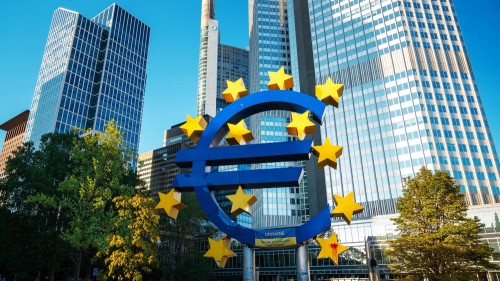
The European Central Bank (ECB) has taken decisive action to address rising inflation by increasing interest rates for the first time since 2023. This move comes in response to heightened energy costs linked to the ongoing conflict in Iran. The central bank has adjusted its main deposit rate from 2% to 2.25%, as financial markets anticipate potential further hikes in the coming months if inflationary pressures remain.
In May 2026, inflation within the eurozone reached 3.2%, a rise from 3% in April, largely driven by escalating oil and gas prices due to global supply disruptions. The ECB continues to aim for an official inflation target of 2%. However, officials have cautioned that the economic outlook remains uncertain, with geopolitical tensions posing a risk of sustained high energy prices, thereby exerting additional pressure on consumer prices across the region.
Alongside the interest rate increase, the ECB has also revised its growth forecasts for the eurozone economy downward, citing weakened demand and persistent global instability as contributing factors. Economists have observed that the central bank is now placing a greater emphasis on controlling inflation, potentially at the expense of short-term growth objectives.
There is a divergence of opinion among analysts regarding the intensity of the ECB’s monetary tightening cycle. While some foresee one or two additional rate increases, others argue that slowing economic growth might constrain further actions. In the broader context, major central banks worldwide, including those in the United States and the United Kingdom, are keenly observing inflation trends, as volatility in energy markets continues to shape global monetary policy strategies.